



In the ever-changing landscape of online gaming, features that enhance user control and personalization often mark a significant step forward. We have observed the introduction of a dedicated Wishlist function at marvel casino video slots, a feature that transcends simple novelty to offer tangible organizational benefits for players. This analytical review explores the mechanics, implications, and strategic value of this new addition. By permitting users to curate their preferred games, the platform shifts from a model of passive discovery to one of active collection, optimizing the user experience. For an audience that values efficiency and personal choice, this tool constitutes a thoughtful integration of player-centric design into the digital casino environment, vowing to reshape how games are accessed and enjoyed. This move signals a deeper understanding of modern user behavior, where customization is not a luxury but an expectation, even in entertainment-focused platforms.
The Structure of the Updated Wishlist Feature
The Wishlist at Marvel Casino works on a clear yet effective principle: it acts as a private repository for games. Functionally, it enables a user to bookmark any option from the extensive game library with a single click, typically on a star or heart icon adjacent to the game thumbnail. These bookmarked games are then aggregated into a personal list, reachable from the user’s account profile or a dedicated navigation tab. Importantly, this list is consistent across sessions, meaning your selected selection stays intact between logins. From an functional standpoint, the feature’s utility is in its simplicity and reliability. It eliminates the friction of searching through countless titles repeatedly, effectively creating a tailored game lobby. This direct approach to customization addresses a typical pain point in large-content platforms—information overload—by providing the user the ability to organize and order content per their own preferences. The system execution is flawless, with no apparent lag when adding or taking away items, and the visual design is user-friendly, ensuring the feature is findable and usable even for those not as technologically proficient. This meticulous attention to detail in the user interface is what elevates it from a basic bookmarking tool to a central component of the site’s navigation architecture.
Tactical Benefits for the Astute Player
For the strategic player, the Wishlist is more than a handy feature; it is a tool for optimizing gameplay and controlling time and resources. The main benefit is the notable reduction in decision fatigue. Instead of browsing through the entire catalog, a player can directly access a shortlist of pre-vetted games they are familiar with they like, allowing for extra time devoted playing and minimal time browsing. Additionally, the list functions as an outstanding financial management aid. Players can set aside high-stake slots or complex table games for later, coordinating their play with their bankroll strategy. It also enables comparative analysis; keeping potential games together in a wishlist makes it simpler to analyze their RTP percentages, volatility, and bonus features before investing real funds. This extent of organization fosters a greater deliberate and controlled gaming approach, which is a cornerstone of responsible play. Additionally, the Wishlist can operate as a research tool during promotional periods. A player can compile a list of games eligible for a certain free spins offer or deposit bonus, enabling them to swiftly switch between them to try which game delivers the best results under the promotion’s terms, thereby enhancing potential value from casino incentives in a organized manner.
Improving User Experience and Platform Engagement
From a user experience (UX) perspective, the introduction of a Wishlist is a sophisticated move that boosts platform stickiness. It creates a sense of ownership and investment in the platform, as a user’s curated list becomes a distinctive digital asset. This psychological investment can increase session length and frequency, as returning to a personalized environment is inherently more appealing. The feature also simplifies exploration. A player might place a new, intriguing game to their Wishlist to try later while continuing their current session uninterrupted, effectively creating a “play later” queue. For the platform, this results to deeper engagement with the full breadth of the game library, as players are more likely to venture beyond their typical two or three titles when they have a risk-free way to bookmark discoveries. It transforms the casino from a venue of chance into a curated entertainment hub. Moreover, this curated approach decreases bounce rates; a player who logs in and sees a recognizable, personally-selected set of games is more likely to start a playing session than one who is faced with an impersonal, ever-changing homepage. The Wishlist thus cultivates user habit and loyalty through convenience and personal relevance, which are key metrics for long-term platform success in a competitive market.
A Comparative Look at Industry Standards
When we place Marvel Casino’s Wishlist alongside broader industry products, its value grows clearer. Although some competing platforms offer “favorite” systems, they are often simple, lacking staying power or proper organization. A robust Wishlist, as done here, matches trends observed in leading e-commerce and entertainment streaming services, where user curation is paramount. It acknowledges that modern consumers demand a tailored experience. The feature’s seamless inclusion, without intrusive prompts or limitations on the number of items, creates a high bar. It indicates the platform’s development is focused on long-term user satisfaction rather than short-term engagement measurements. In a market where game libraries are often equally vast, such quality-of-life features become a key differentiator, offering a competitive lead that connects with experienced players who value a smooth, efficient system. For instance, some casinos only enable favorites to be added from within the game lobby itself, not from search results or promotional pages, creating a fragmented experience. Marvel Casino’s implementation appears omnipresent, allowing selection from any point of finding. This holistic approach echoes best practices from digital retail, turning it into a forward-thinking addition rather than a mere tickbox on a feature list.
Functional Scenarios and Usage Examples
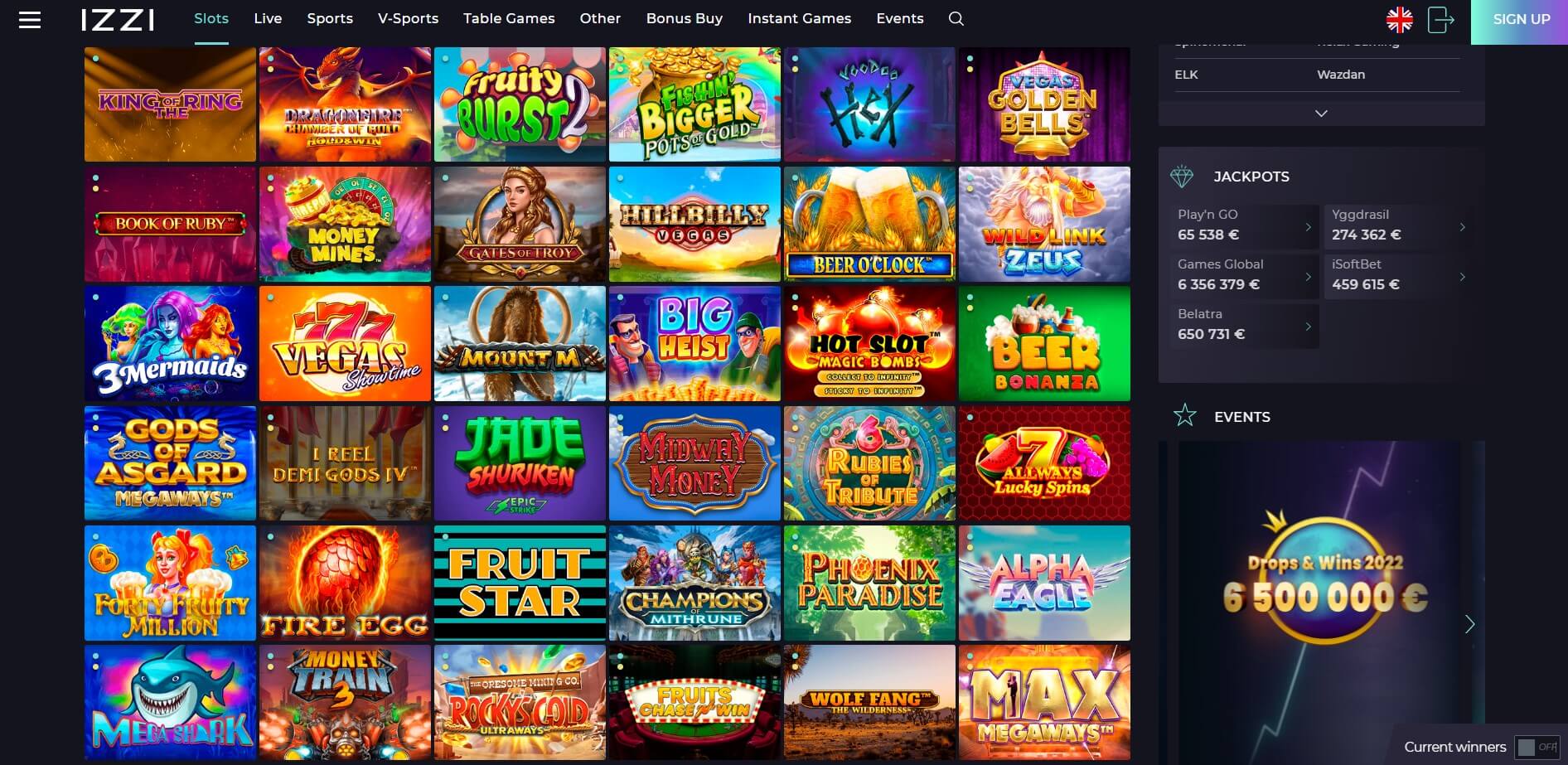
The real-world uses of the Wishlist are manifold and adapt to various player profiles. For the casual player, it might just be a list of a few relaxing slot games for easy reach. For the avid gamer, it could be a carefully organized collection distinguishing high-volatility slots from classic table games. Particular use-case scenarios include tracking progressive jackpot games one wishes to check regularly, or saving games with particular bonus features for when a player has more time to play thoroughly. The list also functions as a excellent tool for setting gaming goals. A player might add a high-stakes poker variant to their Wishlist as a goal to work towards, employing it as encouragement within their broader bankroll management strategy. Its versatility is its advantage. In addition, the Wishlist can be helpful for shared or shared experiences. A player discussing games with friends can quickly append recommended titles to their list for future trial, creating a individual backlog of community-vetted options. This changes solitary browsing into a interactive, social activity even when playing alone, as the list becomes a repository of shared interests and recommendations.
- The Casual Replayer: Quickly save and revisit your top three go-to games without any looking, reducing friction and optimizing relaxation time.
- The Strategic Explorer: Save games with favorable RTP or certain features for future evaluation and play, creating a library of vetted, high-potential options.
- The Bonus Hunter: Mark games that are known to feature free spins or bonus rounds to capitalize on promotional opportunities, ensuring no bonus is misspent on an wrong game.
- The Goal-Oriented Player: Utilize the list to define targets, like setting aside a high-limit game to play once a specific bankroll is reached, integrating aspiration directly into the gaming interface.
- The Social Player: Gather a list of games endorsed by peers, building a personalized “to-play” list that improves the collective aspect of online gaming.
Alignment with Safe Gambling Standards
A subtle, often neglected aspect of organizational tools like the Wishlist is their compatibility with safe gambling systems. By facilitating pre-session preparation, the feature promotes purposeful play. A player who signs in with a strategy to visit particular games from their selection is less likely to fall into impulsive, responsive gameplay that can result in prolonged sessions or trying to recover. The Wishlist acts as a subtle organizational aid, assisting users follow their chosen games and limits. It fosters a thoughtful attitude where game selection is a deliberate action, not a arbitrary click fueled by eye-catching bonuses or homepage layout. While not a explicit responsible gaming tool in its own right, the psychological setting it creates—one of control, order, and direction—reinforces the overarching ideals of playing within one’s means and maintaining a healthy attitude with gambling as a mode of recreation. The act of curating a collection requires a period of consideration, a break between the desire to play and the action its own. This tiny instant of consideration is a gentle but strong reinforcement of mindful decision, which is a fundamental foundation of responsible gambling initiatives. It equips the gambler with order, creating the playing setting seem more handlable and less intimidating.
The Future of Tailoring in Online Gaming
The implementation of a Wishlist at Marvel Casino is likely a precursor to more advanced personalization features. We can anticipate future versions where such lists could be employed to activate personalized messages—for example, informing a player when a game on their Wishlist gets a new feature or when a progressive jackpot on a saved game attains a certain threshold. Data from Wishlist usage could also inform smarter, more bespoke game recommendations, moving beyond generic “popular games” lists to “games similar to those on your Wishlist.” This development would constitute a shift from static personalization to dynamic, intelligent curation. The current feature establishes the essential groundwork, establishing user behavior patterns and demonstrating a commitment to a player-centric model. It is a fundamental step toward an online gaming experience that feels uniquely tailored to each individual’s preferences and habits. Thinking further ahead, we might witness the integration of Wishlist data with player loyalty programs, providing special bonuses or free spins exclusively for titles a player has saved, thereby deepening the personal connection. The potential for machine learning algorithms to analyze Wishlist compositions to predict and propose new game releases a player would enjoy is another logical progression, converting the casino platform into a truly adaptive entertainment service.
In recap, the introduction of the Wishlist feature at Marvel Casino is a notable and well-considered enhancement that handles core user experience needs. It offers strategic value to players by saving time, aiding bankroll management, and promoting intentional play, while at the same time boosting platform engagement through personalization. By aligning with both industry trends and responsible gaming principles, it demonstrates a mature approach to platform development. This tool converts a vast game library from an overwhelming catalog into a manageable, personalized collection, empowering players with greater control over their digital entertainment environment. As a feature, it is both practically useful today and hopeful for the future evolution of customized online gaming, setting a benchmark for how player-centric design can create a more fulfilling and sustainable gaming ecosystem for the Australian market and beyond.